
Full Size vs Mini Light Bars: A Fleet Selection Guide
By UNIT SIGNAL ·
A mini light bar usually fits a smaller mounting area and is worth evaluating for vehicles with roof obstructions or a simpler warning task. A full-size light bar is worth comparing when the upfit needs a wider module layout or several integrated lighting functions. Neither description establishes how the light can be mounted, what it does in a particular mode or whether it suits a road-going vehicle. Ask for those details by model and mounting kit.
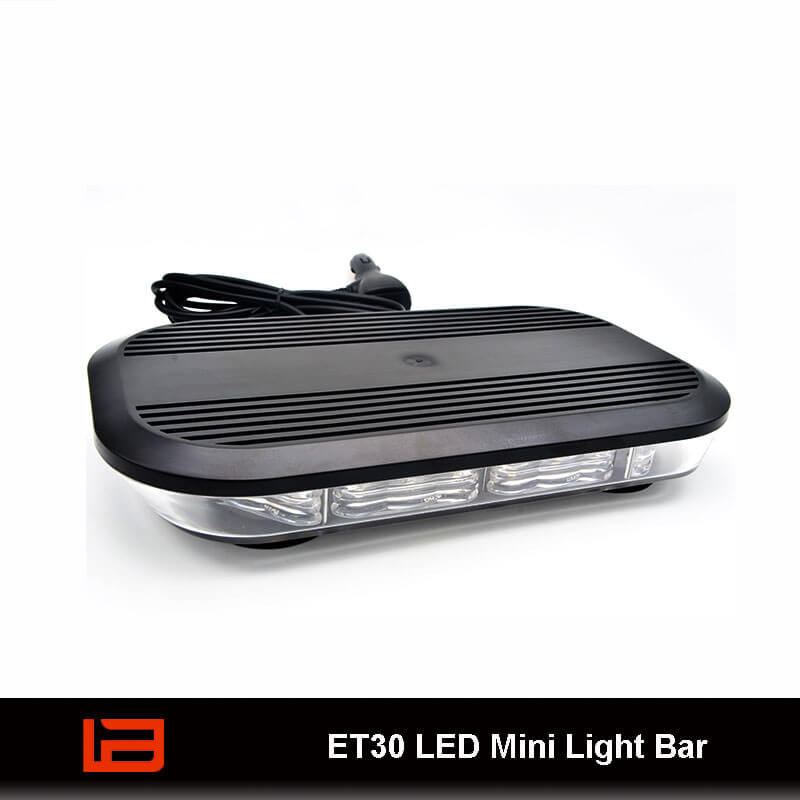
Where mini and full-size designs tend to fit
| Selection factor | Mini bar | Full-size bar |
|---|---|---|
| Roof space | Can fit in a shorter clear area. | Needs a clear footprint and mounting span. |
| Functions | Often selected for a more focused warning task. | May offer room for separate end or directional modules. |
| Mounting | Fixed and removable kits vary by model. | Vehicle-specific fit and installed height can drive the choice. |
| Order comparison | Check power connection, base and lead. | Check length, module layout, brackets and controller. |
These are screening criteria. A compact light can be permanently mounted and a full-size bar can come with different mounting choices. Similarly, a full-size bar can be configured for a narrow set of functions if that is what the vehicle needs. Do not use the product format as a proxy for permitted use, strength of the mount or visibility from a particular approach.
Compare the job before choosing length
A maintenance pickup with a roof rack often has a small area that is physically clear but partially screened from one end of the vehicle. If a compact bar fits there, check whether the light is still visible from the approaches the truck needs to warn. If an installed rack blocks one direction, moving the warning light or adding a different light at that position may be more practical than changing the size of the roof bar.
A dedicated response vehicle may need a layout with separate warning, side illumination or other functions. A full-size bar is worth evaluating if the physical layout and controls allow those functions to be served by one roof unit. Compare that option against what the existing front, side and rear package already provides. The goal is to eliminate a coverage or control gap, not to order the longest available housing.
For a mixed fleet, assign the vehicles to groups. For example, compare a compact fixed unit for roof-rack vehicles with a different configuration for vehicles that have a clear mounting span. Keep the same conventions for labeled controls, drawings and service records. That makes the two designs easier to compare and maintain even if they use different light bars.
Put the ET30 and NEO dimensions in context
The ET30 mini LED light bar is listed at 305 × 185 × 45 mm, with a 12–30 V input and magnet or screw mounts. The compact housing gives a buyer a footprint to compare with the available roof area. Ask for the exact installed dimensions and restrictions for the mount in the quotation. The product listing also describes a plug lead, but the supplier should identify which lead is included with the build under consideration.
The NEO full-size LED light bar is listed in several lengths with a 10–30 V input. For the installed height, include the bracket in the measurement and confirm which mounting kit and controller come with the quote. Compare the quoted length and bracket against the roof profile, cable route and vehicle’s overall height. Ask which warning and auxiliary functions are included in the quoted length, module layout and controller configuration.
Make a simple overlay of the vehicle roof and the two shortlisted bars. Mark the fastener and bracket locations, cable exit, connectors, antennas and rack edges. Measure the installed vehicle against the lowest clearance it will encounter. The illustration in the light bar sizing guide provides a starting point for measurement; use the approved drawing for the actual installation.
Review magnetic and fixed mounts separately
With a removable mount, the installer needs to confirm the roof material, surface shape, base contact and product instructions. A magnet may hold on part of a roof yet fail to make full contact across the base. A steel panel that is curved, covered or interrupted by seams can present a different fit from a flat panel. Ask the supplier for the use restrictions on the exact mount, including any restriction on vehicle movement. Do not transfer a speed or holding claim from a different product or mounting system.
With a fixed mount, check permitted attachment locations, underside access, fastener clearance and the route for the harness. Agree who supplies the hardware or adapter and how a technician will remove the bar later. A low housing can still exceed the vehicle’s height limit if the approved brackets add too much height. For a removable bar, record where the unit is stored, how the cable is protected during use and which vehicles are allowed to share the kit.
What the same roof constraint means in three situations
Consider a shared utility vehicle with enough room for a short fixed installation but a cable connection that is not ready for a portable unit. Here the compact option may solve the roof fit without needing removable equipment. Compare a fixed mini configuration with the vehicle’s supply and switching arrangement. Treat any removable version as a different installation with its own requirements.
On a vehicle carrying high roof equipment, a longer bar might still be obstructed from one end. Look at where the equipment casts a visual shadow and at how much of the bar is visible from the required approaches. If no roof position satisfies that task, review the overall warning layout with the upfitter before choosing which bar to buy. Available width only describes what mounts on the vehicle.
A response vehicle using separately controlled front, side and rear lights may already have some functions covered. A larger bar can be useful if the new layout replaces defined functions or simplifies a checked control arrangement. Document which old equipment will be retained and which functions the proposed bar will take over. That distinction can change both the quoted kit and the first-vehicle test.
In each situation, attach the roof drawing and ask suppliers to list any installation exceptions. A compact and a full-size quote can be useful even when only one meets the job, provided both explain what is included and why a function or fit requirement is left open. Check the purchasing decision against those written differences before making a selection.
Compare coverage, then compare control and service
Set the viewing directions before the trial. Observe the bar with representative roof equipment installed and check the expected approaches from controlled positions. Compare the required patterns, color layout and lens orientation using the same conditions. A product width is a dimension, not an optical result. If a document is required, ask whether it covers the actual length, module configuration, mode and mounting direction proposed for the job.
List which modes the operator must select, which indicators show their state and how the system should behave after power is interrupted. A simple plug connection may meet a limited task. It may be unsuitable if the fleet requires integration with a vehicle controller, labeled switches or another visible status signal. Compare the supply range, current for required modes, included lead and harness replacement procedure. Ask the upfitter to review the protection and routing requirements for the exact configuration.
Record why the sample was accepted
On the first vehicle in each group, compare installed height, intended viewing directions, bracket access, control functions and routine removal or service. Keep photos, the bar configuration, the bracket and controller references, and the acceptance notes. If the supplier offers a substitution, use those records to identify which checks need repeating. That is more reliable than accepting an equivalent length or the same number of LEDs as a substitute on its own.
Two questions worth asking before the order
Can a mini bar replace a full-size bar already in service?
First list the functions and viewing directions the existing bar supplies. A mini bar may cover a narrower task, but any directional, work-light or control functions removed from the roof package still need a deliberate decision. Evaluate the replacement as a configuration change and repeat the affected acceptance checks.
Can one bar be shared across several vehicle models?
Only shortlist a shared kit after checking each roof surface, allowed attachment method, connector and clearance. Record the compatible vehicles and exact base so operators know where the unit can be used. If conditions differ, a dedicated mount or a different bar may be easier to manage.
Compare the configurations you can actually install
Browse the full-size and mini light bar product range. If you are documenting several vehicles, use the fleet light bar RFQ guide to organize the inputs. Send UNIT SIGNAL your roof measurements, vehicle type, required functions and quantity to compare a mini and full-size option for the job.