
Emergency Vehicle Warning Light Colors by Market: Procurement Checklist
Choose emergency vehicle light colors by vehicle authorization, destination jurisdiction, viewing direction and operating task. Confirm which colors may be displayed in each mode, then match that approved configuration to the exact light, controller and installation. Available LED colors alone do not establish permission to use them on the road.
A fleet purchasing team may buy one lighthead family for several vehicle roles, yet need different enabled functions on each vehicle. An export distributor can face a similar problem across markets. A written approval matrix prevents a flexible product from becoming an uncontrolled mix of colors, modes and local assumptions.
Start with the vehicle and its authority to use warning lights
Begin the review with the operator, vehicle category and work being performed. A public emergency vehicle, a recovery truck and a privately operated security vehicle can have different permissions even when they use similar-looking equipment. The intended road use and responsible authority belong in the requirement before the product selection.
Define the geographic scope precisely. “For the United States” is too broad for a vehicle-use decision that depends on state and local requirements. Likewise, a broad regional label does not identify all installation and operational rules in an export project. Record where the vehicle will be registered and used, including any recurring cross-border operation.
Assign an owner for the legal and operational review. That may be the fleet compliance lead, importer, authorized upfitter or another competent party appointed by the buyer. The supplier needs a clear written configuration to quote, and the buyer needs to know who accepted the use conditions.
Separate emitted color, viewing direction and operating state
A procurement description such as “red/blue/amber” leaves important questions unanswered. It does not say which color appears at the front, whether the rear changes color during a stationary task or what happens when an operator selects several switches. Those details determine the actual display seen by other road users.
Prepare one row for each operational state. Include ordinary driving, response where authorized, stationary work and any directional-warning task. Record front, rear and side displays separately. Add a row for white illumination if the proposed system includes scene or takedown functions, because steady illumination and flashing warning functions have different purposes.
| Review item | Question the buyer must resolve |
|---|---|
| Vehicle role | Who operates the vehicle, and what authorization applies? |
| Location | Which jurisdiction governs the intended operation? |
| Viewing direction | What may be displayed to the front, rear and sides? |
| Operating state | Does the permitted display change while moving, parked or performing a task? |
| Controller behavior | Which inputs enable, override or disable each function? |
| Evidence owner | Who signs off the rule interpretation and final configuration? |
Why a universal color chart is insufficient
Current jurisdiction rules can distinguish vehicle ownership, service type, display direction and operating conditions. The practical lesson for a buyer is to review the exact case. A color associated with a familiar vehicle role in one place may be restricted, conditional or assigned differently elsewhere.
Even where amber is commonly associated with work vehicles, the permitted operation can have conditions. Do not turn a common association into a purchase specification that says any vehicle may use the color in any location. Ask the responsible reviewer to identify when and where each proposed function may operate.
For a mixed-market order, maintain separate configuration identifiers. These should connect the customer’s approved use requirements to the supplier’s bill of materials and controller setup. Keeping that connection is more useful than printing a generalized country-color guide on a packing list.
Check device evidence independently of permission to operate
A device test or approval can address specified performance characteristics. It does not, by itself, authorize every operator to display the device’s colors in every circumstance. Procurement needs both the appropriate equipment evidence and the destination review for installation and use.
Request documentation for the exact ordered model and relevant variant. Identify color combination, optical configuration, mounting orientation and operating mode where the document distinguishes them. A family name on a brochure should lead to a version-specific review, particularly when one family contains single-, dual- and multi-color options.
Where the offered documentation contains limits or conditions, carry them into the installation and acceptance plan. If a supplier is still confirming evidence for an option, record that status before placing an order that depends on it. Avoid treating an application for a certificate as an issued approval.
Translate the approved display into controller requirements
A multi-color light may have several available colors without providing arbitrary combinations on every input. The actual behavior can depend on the lighthead version, controller, programming and wiring. Specify the required display as an observable result, then ask engineering to explain how the proposed system achieves it.
For example, a stationary work mode might need a different rear display from a response mode. Describe the intended priority if both mode inputs are active. Require the design to define the output when an input is released, after a power cycle and when an accessory is replaced. These are acceptance questions, not assumptions about standard controller functions.
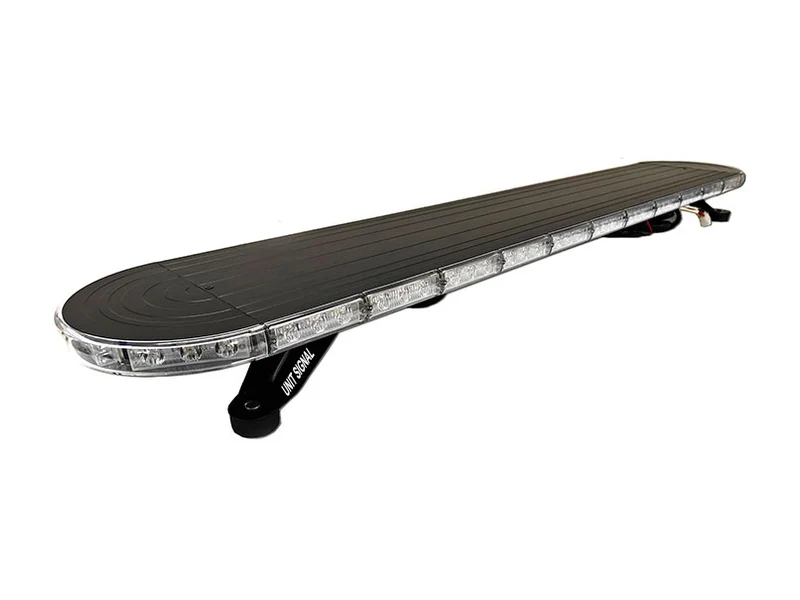
Review the available multicolor warning lights against that matrix. UNIT SIGNAL product pages list color options by model. Confirm the exact configuration being offered instead of applying the broad category description to every product.
Control access can be part of the specification
If a fleet must restrict certain functions to authorized personnel, discuss how the configuration will be managed. Ask whether the proposed system supports the required controls or whether another architecture is necessary. A locked configuration, a documented setup procedure and operator instructions each solve different parts of the task.
Do not rely on a button label to prevent an unintended display. During the sample evaluation, test the actual output at each light position. Check simultaneous inputs and startup behavior before approving the vehicle’s operating instructions.
Keep an audit trail that maintenance can use
The approved record should remain useful after delivery. Link the vehicle group, product part numbers, controller revision, color-mode table and installation drawing. Store the review date and name of the responsible approver. For distributors, preserve the customer or market configuration identifier with each batch.
Replacement purchasing should refer to that record. A physically interchangeable lighthead with another internal color arrangement could produce the wrong output when connected to the original harness. Require a review of any substitute that changes emitters, inputs, optics or programmed behavior.
- Keep the vehicle role and jurisdiction review with the approved configuration.
- Record exact model and color-option identifiers on the order.
- Retain relevant equipment documents and their revisions.
- Save the installed-mode test results and operator labels.
- Control changes to controller settings and replacement components.
Handle mixed destinations and later vehicle transfers
Suppose a distributor purchases one lighthead family for two customers in different jurisdictions. Both customers request multi-color hardware, but they submit different approved operating profiles. Keep those profiles as separate order configurations, even if the housings and connectors match. The packing identification should tell the installer which approved configuration belongs to which project.
At the sample stage, ask each customer to sign off the requested functions through its responsible reviewer. The supplier can then identify the relevant product options and any configuration limits. Record disagreements between the requested mode table and the demonstrated hardware before treating the quotation as final.
A later transfer between vehicle roles should trigger another review. A lighthead installed on an authorized service vehicle does not carry that vehicle’s operating permission with it when moved to another fleet asset. Recheck the operator, task, installation direction and enabled modes. Keep the transfer record alongside the revised configuration.
Resolve unclear requirements before production labeling
Instructions such as “standard export colors” or “same as the last customer” are too vague for a controlled order. Ask the buyer to identify the intended destination and vehicle role, then confirm a specific display matrix. If the legal review is still in progress, distinguish the hardware option under discussion from the operational configuration approved for use.
That distinction also helps with training. Drivers need clear instructions about when the approved functions may operate, while maintenance needs a record of which setup to restore after a replacement. Neither team should have to infer those requirements from a lamp’s unlit appearance.
For cross-border fleets, appoint a person to manage the review scope. Record any changes in permitted operation and how they affect the installed controls. If the chosen hardware cannot implement the required restrictions reliably, revisit the proposed configuration before a larger order. A technically flexible light is useful only when its intended functions can be managed throughout the vehicle’s service life.
Questions procurement teams ask about warning light colors
Can one multi-color model serve several markets?
It may be suitable for evaluation, provided each market’s authorized configuration and the hardware’s capabilities are confirmed. Evaluate whether the required outputs can be configured, identified and maintained consistently. A shared housing alone does not make the installations equivalent.
Should the purchase order list every available color?
List the exact colors and functions required for the ordered version. Also identify any restrictions on enabled modes. A general list of available colors is useful during selection, but the purchase order must describe the agreed configuration.
What should be reviewed when a fleet changes vehicle roles?
Recheck operator authorization, destination, installed viewing directions and controller behavior. The existing lighting may need a configuration or installation review even if the hardware remains serviceable. Keep the revised approval with the maintenance record.
Discuss your market-specific warning light specification with UNIT SIGNAL. Include vehicle roles, destinations, approved color-mode requirements and quantities so the relevant models can be reviewed.