
Dual, Tri and Quad Color Warning Lights for Fleet Standardization
Dual-, tri- and quad-color warning lights offer two, three or four specified color options within a product configuration. Fleet standardization depends on which functions each vehicle needs, how those colors are controlled and whether mounting, voltage and service parts align. More available colors do not automatically create a simpler fleet system.
For a mixed fleet, the useful comparison is between complete configurations. A lighthead that supports several roles may reduce some stocked variants, but only if the fleet can identify, program and replace it consistently. Start with the vehicle functions and build a controlled product matrix around them.
Define the functions before choosing the color count
Write down what each vehicle group needs to display. Include the color, location, flash or steady function and the operating state in which it is required. A vehicle may need two colors at the front and a different pair at the rear. Another may require a third function at a particular position without needing three colors everywhere.
The term “dual color” does not describe one universal electrical architecture. Products can differ in emitter layout, input functions, selectable patterns and whether colors can operate together. The same applies to tri- and quad-color descriptions. Ask for the exact behavior of the offered version.
Separate the intended vehicle use from the product capability review. The buyer’s responsible specialist should confirm the permitted colors and operating conditions in each destination. Once those requirements are established, engineering can evaluate whether a shared lighthead family is appropriate.
| Configuration | Potential purchasing use | Question to resolve |
|---|---|---|
| Dual color | Two defined functions or color states at an installation position | Are the required states selectable and prioritized correctly? |
| Tri color | A position needing an additional verified color function | How is the third function activated and coordinated? |
| Quad color | Several reviewed functions or controlled configurations within a family | Can the fleet maintain the intended setup after replacement? |
Compare fleet requirements in a configuration matrix
Create the matrix by vehicle group and installation position. A row should identify voltage range, mounting envelope, required color functions, controller interface and service access. Add the destination or approved operating profile so that visually similar configurations remain distinguishable.
Use the matrix to find genuine commonality. Two vehicles can share a body style but need different control interfaces. Conversely, different vehicle classes may accept the same lighthead when the mounting, power and functional requirements match. Standardization should follow those interfaces rather than the appearance of the fleet.
Keep requirements separate from confirmed supplier capabilities. A useful worksheet has distinct columns for requested behavior, proposed model and verified result. Mark an item confirmed only after the offered version’s documents or sample evaluation demonstrate the required function.
Read model-level options carefully
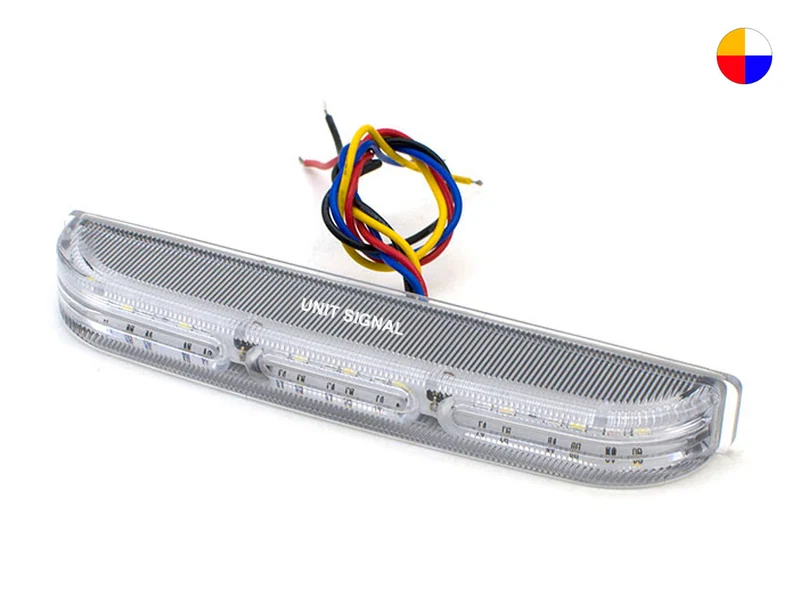
The CT6 grille and surface mount light page lists single-, dual- and tri-color options. Its listed options make it relevant to evaluating color requirements within that lighthead family. They do not establish that every listed version has the same emitter arrangement, flash pattern count or control behavior.
Similarly, a roof-mounted light bar and a compact surface-mounted light can both be described as multi-color while solving different installation tasks. Review the multicolor warning light range by model and position. Record offered variants on the matrix instead of using the category name as the technical description.
Where product-page fields are broad, ask for the exact ordered configuration. A drawing, input table and sample test can resolve questions that a short catalog description cannot. Preserve that confirmation with the order so the warehouse and maintenance team can recognize the version later.
Controller compatibility can determine whether a common SKU works
A shared lighthead can still create several fleet configurations if it requires different harnesses or controllers. Identify supply inputs, trigger inputs and any synchronization interface. Determine whether mode selection is performed by the controller, by the lighthead’s own electronics or through a combination of both.
Ask how color selection, flash pattern selection and synchronization are separated. A synchronization lead is not automatically a color-selection input. Nor does support for synchronization between two units establish compatibility across unrelated product families. Verify the connection and supported combinations for the proposed models.
The same attention applies to default behavior. Record what happens after a power cycle and after replacing one unit. If programming is required, identify the procedure, responsible person and acceptance check. Otherwise, the fleet can receive the correct part number and still end up with an inconsistent display.
Test conflicting requests
During sample evaluation, activate the inputs that may occur together in service. Check how warning, directional or steady illumination requests interact where those functions are part of the design. Document the intended priority and the observed result at each affected position.
Also test the return state when the higher-priority request ends. A product demonstration that shows each function separately cannot establish how the combined system handles transitions. Ask for the observed behavior to be included in the approved setup record.
Calculate the operational cost of additional variants
The purchase price of a lighthead is only one line in the comparison. Consider the harness, connectors, controller capacity, setup time and replacement procedure. Add the cost of stock identification and the risk of issuing an incompatible variant during maintenance.
Use actual fleet data where available. Record how many vehicles require each function and how many spare units are needed at each service location. A higher-color configuration that is useful on only a small subset of vehicles may belong in a separate stock group. A shared part can be worthwhile where compatibility is verified across a larger portion of the fleet.
| Cost or complexity item | Evidence to collect |
|---|---|
| Lighthead variants | Exact quantities by approved configuration |
| Harness differences | Connector, terminal and cable differences |
| Setup | Tools, programming steps and acceptance time |
| Replacement | Whether a spare requires configuration before service |
| Stock control | Part labels and compatibility records used by technicians |
Approve a serviceable fleet standard
Choose a representative pilot installation from each proposed configuration group. Confirm mechanical fit, electrical operation, requested colors and the installed viewing directions. Use the actual controller and harness arrangement that will be supplied for production vehicles.
Have a technician replace one pilot unit with a stock spare. Check whether the required setup can be restored from the written instructions, then repeat the operational checks. This exposes configuration dependencies before a purchasing team commits to calling several installations interchangeable.
Freeze the approved part number, harness drawing, control matrix and configuration revision. Review later substitutions against that standard. A new color option, controller revision or connector change should trigger a compatibility check appropriate to the affected system.
Compare three standardization outcomes before choosing
A practical fleet review can produce several valid outcomes. One group may use a dual-color configuration because it meets the approved requirements with a straightforward replacement process. Another may need a tri-color version at a specific position. A third may justify a multi-function configuration shared across several vehicle groups, provided the setup and interfaces are controlled.
Compare those outcomes using complete vehicle bills of materials. Count lightheads, brackets, controller interfaces, connectors and setup work. Identify what a depot must stock and what a technician must know. A proposal with fewer lighthead part numbers can still require more harness variants and more configuration work.
Make the cost comparison over the intended maintenance process. If a spare can be fitted directly to any vehicle in a group, record that as a verified benefit. If it needs a programming step, include the required tools, training and acceptance time. Avoid assigning an assumed cost saving to a function the pilot installation has not demonstrated.
Use a compatibility label that technicians can follow
The stock label should identify the lighthead variant and the compatible configuration group. If setup is required, the label can refer to the controlled instruction rather than attempting to print every step. Keep the part number, harness reference and setup revision connected in the service record.
For vehicles working from multiple depots, test whether a technician outside the pilot team can complete a replacement using those records. A process that depends on remembering which button was held during the original setup is difficult to reproduce. Use the trial to improve the instructions and establish the actual service burden.
Finally, define when the fleet standard must be reviewed. A supplier change, discontinued variant, revised controller interface or new vehicle platform can alter compatibility. Review only the affected configuration groups, using the recorded requirements and test results as the baseline. This keeps standardization useful as the fleet changes instead of allowing a shared product name to hide differences.
Questions about dual, tri and quad color fleet lights
Does quad color mean all four colors operate simultaneously?
No universal behavior follows from the label. The product may provide selectable colors, particular combinations or defined operating modes. Ask for the offered model’s function table and verify the required display with a sample.
Can we standardize by lighthead housing alone?
Housing dimensions help establish fit, but electrical inputs, color options, optics and configuration also matter. A usable fleet standard identifies the complete ordered version and the procedure for replacing it.
What information makes a standardization RFQ useful?
Provide vehicle groups, installation positions, quantities, operating voltage, required functions and current controller details. Include destination requirements and your preferred replacement process so suppliers can identify any differences between the requested and proposed configurations.
Send your fleet lighting configuration matrix to UNIT SIGNAL to review suitable models and the details needed for a quotation.