
Warning Light Lens Color vs LED Color
Lens color describes the cover a warning light is viewed through; LED color describes its light source. A clear lens can produce a colored warning signal when paired with colored LEDs. Specify both components, the emitted colors and the operating modes, then verify the exact assembled model before approving a replacement or production order.
For purchasing teams, a description such as “amber light” can be incomplete. It may identify the required output, the unlit lens appearance or both. Keeping those fields separate helps avoid mismatched samples, incorrect replacements and configuration changes hidden behind a familiar-looking housing.
Distinguish the light source, cover and observed signal
The LED is the source of light. The cover or lens forms part of the optical assembly and may also provide environmental protection. Its shape, surface and material can influence how light leaves the product. A color description for one component cannot fully describe the finished lamp.
A clear cover does not imply white light. Colored LEDs can produce a colored signal through a clear lens. Conversely, the appearance of a colored cover while the lamp is off does not by itself establish the emitted color, the available functions or the performance of the completed assembly.
For a multi-color product, the source arrangement and optics must support the offered color functions. Ask whether the exact lens and LED combination belongs to the proposed variant. Do not assume that a cover can be exchanged between products simply because its dimensions look similar.
| Specification field | What it describes | What to confirm |
|---|---|---|
| Lens or cover color | The visible cover, including clear or tinted options | Exact material, part and variant |
| LED color | The light-source color or colors | Emitter arrangement for the ordered version |
| Emitted signal | The observed warning or illumination output | Colors, combinations and operating functions |
| Optical configuration | The assembly that distributes the output | Documented performance and intended orientation |
Why clear and tinted versions need separate identification
A clear-lens version may be chosen for a particular appearance or for a supported multi-color configuration. A tinted version may be required by an existing fleet’s approved bill of materials or visual identification process. Those are reasons to evaluate an option, rather than proof of superior performance.
Compare the complete product data. Avoid assuming that a clear cover is always brighter or that a tinted cover always produces a more suitable signal. The emitted color, source output, optical design and test conditions all matter. The buyer needs the evidence for the version actually being offered.
Dark or smoked covers deserve the same review. If appearance is important to the project, make it one acceptance criterion alongside the operating requirements. Confirm the relevant documentation for that assembly instead of transferring claims from a different lens option.
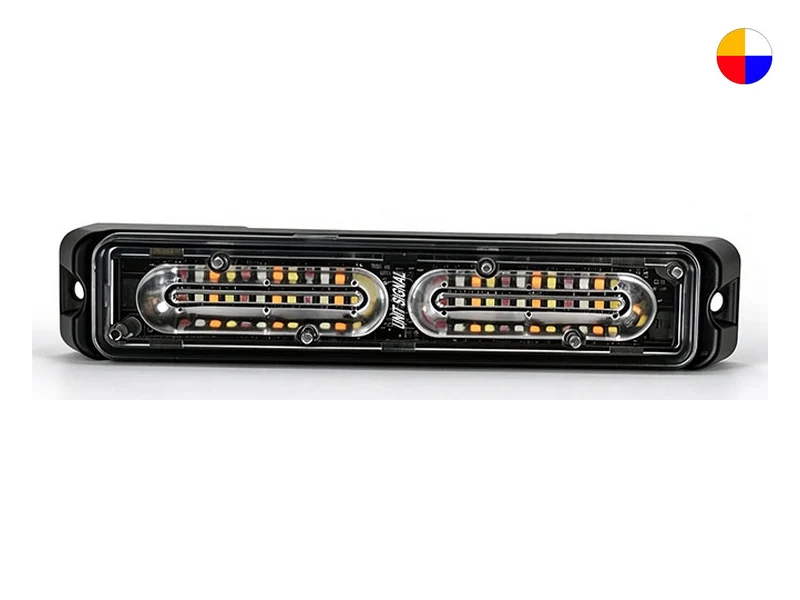
Specify color combinations at the operating-mode level
List the required colors and how they should be selected. “Dual color” might describe several different arrangements across product families. Ask whether the offered light uses the same apparent illuminated area for each function, separate segments or another arrangement. This affects how the installed lamp presents the requested signal.
Describe the function of white output where it is included. A steady illumination function is a different task from flashing warning output. Confirm which modes are available and how they interact with the other colors in the exact product and controller combination.
UNIT SIGNAL’s multicolor warning light range provides a starting point for reviewing available product families. Check the individual model information and obtain confirmation for the required lens, LED and control configuration before treating two catalog options as interchangeable.
Make replacement purchasing more precise
When replacing an existing lamp, photograph it both switched off and operating in its required modes. Include the product label, electrical connections and any part number or markings. Images of the cover alone may fail to distinguish versions with different internal emitters.
Record the installation position and intended viewing direction. A product can be mounted so that its cover looks correct while its optical orientation is wrong. Capture any orientation marks and compare the offered drawing with the actual bracket arrangement.
Ask maintenance to identify the failure being addressed. A damaged cover, water ingress, a failed emitter and a control problem call for different investigations. Replacing the whole lamp may be appropriate, but the replacement still needs to match the approved assembly and electrical configuration.
Control cover replacements as product changes
A cover is part of the optical and sealing system. If a replacement part is available, use the specified component and installation procedure. A substitute can alter fit, sealing or light distribution even when it attaches to the same housing.
For batch orders, state whether the supplier may propose component substitutions. Require the effect of a proposed change on the approved product evidence and sample to be reviewed. That helps prevent a later production batch from differing from the configuration the fleet evaluated.
Use model-specific documents to verify the assembled lamp
Request the drawing, lens option, emitter configuration and relevant technical documents together. Where a report identifies color or optical variants, check that it covers the version on the purchase order. If a supplier’s document describes only a family name, ask how the ordered configuration is linked to it.
Device documentation and legal permission to use a displayed color are separate review tasks. The responsible party for the destination should confirm that the intended vehicle and operating state can use the proposed colors. Preserve that decision with the configuration record.
The CT6 surface mount light page lists several color options, while the L25 grille and surface mount light page lists its own configuration choices. Review each offered variant on its own merits. A shared brand or general application does not make their internal optics or functions identical.
Approve samples under meaningful conditions
Sample approval should cover unlit appearance and operating behavior. Check the cover color and finish in ordinary daylight, then operate the sample using the intended power supply and controller. Record the requested functions and verify that each produces the expected color display.
Use photographs as an identification record, with their limitations understood. Camera exposure, white balance and video processing can change apparent color and brightness. A phone video is useful for demonstrating mode behavior but cannot replace the appropriate measurements or product documentation.
For an installed trial, compare relevant approach directions and the intended mounting orientation. Keep the evaluation consistent between candidates. Record vehicle position, supply conditions, installed angle and mode so that a later reviewer can understand what was compared.
- Identify the approved lens or cover version.
- Identify the LED color configuration and available functions.
- Record required controller settings and mode transitions.
- Retain the assembly drawing and relevant documentation.
- Keep an approved sample or clear identification photographs.
- Link all of these records to the production part number and revision.
Include clear color fields in the order
A useful purchase-order description separates lens appearance, emitted color and control behavior into individual fields. Add the mounting option, electrical interface and the applicable approved-sample reference. This gives incoming inspection a practical basis for accepting the delivered goods.
For distributor stock, use labels that distinguish variants without opening every box. The label should connect to the supplier’s exact part number. A generic description such as “clear lamp” is insufficient when the same housing is supplied with different internal colors or functions.
Example of an ambiguous “clear replacement” request
A depot may request a clear replacement for a damaged warning light because the original cover was clear. That description does not tell the buyer whether the original used one LED color or several, which inputs selected them, or which optical version was installed. The purchasing team should recover those details from the part label and configuration record.
If the original label is unreadable, photograph the installed light operating in each required state, subject to the site’s operating rules. Add the connector, mounting arrangement and any available invoice or drawing. Ask the supplier to identify uncertainties instead of selecting an internal color arrangement from the cover photograph.
For a new fleet order, an approved sample can provide the missing reference. Record its source colors, cover option, operating modes and part identification, then connect that sample to the ordered revision. The unlit appearance can remain a valid design requirement while the functional fields describe what the vehicle needs to display.
Keep appearance approval and operating approval connected
Different people may review these aspects of a project. Fleet branding personnel might approve the unlit appearance, while engineering reviews controls and the responsible compliance party reviews permitted use. Bring their decisions together in the same configuration record so a later change is assessed against all affected requirements.
For example, changing the cover finish to match another fleet asset should prompt a check of the exact assembly and relevant evidence. It should also be reflected in stock labeling and replacement instructions. This avoids accepting the appearance of one variant while purchasing or installing another.
When requesting samples, state the comparison being made. A cover-color comparison, an emitted-color comparison and a distribution comparison call for different observations. Clear test objectives produce a better decision than a general request to identify which lamp “looks best.”
Lens and LED color questions
Can a clear lens produce an amber warning signal?
Yes. A clear-lens assembly can use amber LEDs. The required question is whether the exact completed lamp provides the specified output and supporting evidence, rather than whether the cover looks amber while unlit.
Does changing the lens change the LED color?
The LED source remains the same component, but a different cover can affect the light transmitted and its distribution. Use only the documented assembly or approved replacement parts, and review the effect on the required output.
What should be included with a color-configuration inquiry?
Provide the vehicle application, destination, installation position, lens appearance, emitted colors and required operating modes. For replacements, add photographs, original part identification and connector details.
Send your warning light lens and LED requirements to UNIT SIGNAL to review suitable model configurations.